
How is Gaucher disease managed and monitored?
Gaucher disease can affect many parts of the body, so care usually involves a team of healthcare specialists (a multidisciplinary care team). Which specialists a patient sees, and what those specialists recommend, depend on the patient’s needs, disease type, and symptoms. These considerations also guide how often a patient’s health is monitored.1

Specialists involved in Gaucher disease management
Because Gaucher disease is rare, primary care doctors often rely on specialists across different areas of medicine to help manage it effectively. A coordinated, multidisciplinary care team is essential for developing a management plan tailored to each patient’s needs.1-3
Your Gaucher care team may include:
- Gaucher specialist (Geneticist or hematologist): Has experience treating patients with Gaucher disease and usually oversees your care
- Geneticist (Gene specialist): Confirms Gaucher disease diagnosis using a genetic test; helps with family planning and treatment guidance
- Hematologist (Blood disorders): Tracks red blood cell and platelet counts, and monitors spleen health
- Hepatologist (Liver): Manages liver problems from the disease
- Orthopedist (Bones): Treats fractures; manages bone and joint health
- Pain management specialist: Provides comprehensive approach to pain management including medication, nerve stimulation and other procedures, and coordinates with physical therapists
- Primary care physician: Coordinates care, refers patients to specialists, and reviews prescribed medications to prevent contraindications
- Neurologist (Brain and nerves): Addresses neurologic symptoms like movement disorders and seizures (important for types 2 and 3)
- Physical therapist (Rehabilitation): Helps manage mobility and pain
- Psychiatrist (Mental health): Screens for, diagnoses, and treats mental health conditions like anxiety and depression; can prescribe medications
- Psychologist (Mental health): Conducts psychological testing and screening; provides therapy for managing emotional or behavioral challenges
Gaucher disease management differs by disease type
There are several types of Gaucher disease, each with its own symptoms and characteristics, so care plans are often tailored to the specific type.2
The different types can be distinguished by how severely the disease affects the brain and spinal cord, also called the central nervous system (CNS). In order of increasing severity, type 1 Gaucher disease has no primary CNS manifestations, type 3 has variable CNS manifestations, and type 2 has severe CNS manifestations.1,2
Managing type 1 Gaucher disease
Most people living with Gaucher disease in the United States have type 1 disease. Common signs and symptoms include enlarged spleen and liver, low levels of red blood cells and platelets, and bone-related problems.4,5
Supportive care for type 1 symptoms might include:
- Blood health: Tracking blood counts, providing transfusions if needed, and helping reduce fatigue
- Bone health: Using scans such as MRIs to keep track of bone health and find bone problems early
- Liver and spleen health: Monitoring changes in size or function of organs to protect health and reduce complications
- Mental and emotional health: Psychological counseling and patient support to manage stress, anxiety, or depression
- Mobility and strength: Physical therapy or exercise to improve mobility, build strength, and support daily activities
- Nutrition: Ensuring adequate calcium and vitamin D intake through diet and supplements to support bone health
- Pain management: Interventions to reduce pain, including bone pain
This is not a comprehensive list of all possible approaches for managing type 1 Gaucher disease. The doctors on your care team will recommend the management approaches that work best for you.4,5

Proactive bone care in Gaucher disease
Taking care of your bones is an important part of managing Gaucher disease. Gaucher disease can have many impacts to bones including:
- Reduced bone density (osteopenia or osteoporosis)
- Increased risk for fractures
- In serious cases, loss of bone tissue (osteonecrosis)

Bone symptoms are common
Nearly all patients with type 1 disease will show some signs of bone disease and some will experience symptoms, including pain, which can become disabling. Bone changes can happen over time even without noticeable symptoms, so even if your bones feel fine, it’s important to know that problems may still develop.5,7

Early management matters
Regular check-ups and proactive, proper care may help slow down or prevent certain aspects of bone disease and reduce the chance of developing long-term disability.8
Managing type 3 Gaucher disease
People with type 3 Gaucher disease experience issues affecting organs, blood, and bones. These symptoms can be managed similarly to type 1. However, the neurologic symptoms of type 3 Gaucher disease may require additional specialized care.1,5 These neurologic symptoms can get worse over and might include:
- Poor coordination
- Developmental delays
- Eye-movement difficulties
- In more serious cases, seizures or changes in thinking and memory (cognitive decline)
Supportive care for type 3 symptoms might include:
- Blood health: Tracking blood counts, providing transfusions if needed, and helping reduce fatigue
- Bone health: Using scans such as MRIs to keep track of bone health and find bone problems early
- Liver and spleen health: Monitoring changes in size or function of organs to protect health and reduce complications
- Mental and emotional health: Psychological counseling and patient support to manage stress, anxiety, or depression
- Mobility and strength: Physical therapy or exercise to improve mobility, build strength, and support daily activities
- Nutrition: Ensuring adequate calcium and vitamin D intake through diet and supplements to support bone health
- Pain management: to reduce pain, including bone pain
These are not all possible approaches for managing type 3 Gaucher disease. The doctors on your care team will recommend the management approaches that work best for you.4,5
Managing type 2 Gaucher disease
Type 2 Gaucher disease is the rarest and most severe form, with neurologic symptoms that affect the brain and spinal cord. Symptoms typically appear in infancy, get worse very quickly, and are more serious than in other types of Gaucher disease. Management for type 2 usually prioritizes supportive measures and palliative care.5 Be sure to talk to your doctor if you have questions or concerns about management for type 2 disease.
.
Start the conversation about your careTalk with your primary doctor about how your multidisciplinary care team is supporting you. This can help make sure you're seeing the right healthcare providers to manage any pain or other symptoms effectively. |
Mental health management in Gaucher disease
Living with a rare, chronic condition like Gaucher disease can be challenging for both patients and caregivers. These challenges can sometimes affect mental health, leading to anxiety, depression, or other emotional stress. Receiving an incorrect or delayed diagnosis can make these difficulties even harder, which is why early testing and timely management are so important.11
For people affected by Gaucher disease, participating in peer support groups can have a positive impact on mental health.11 Additional resources are available to provide further support.
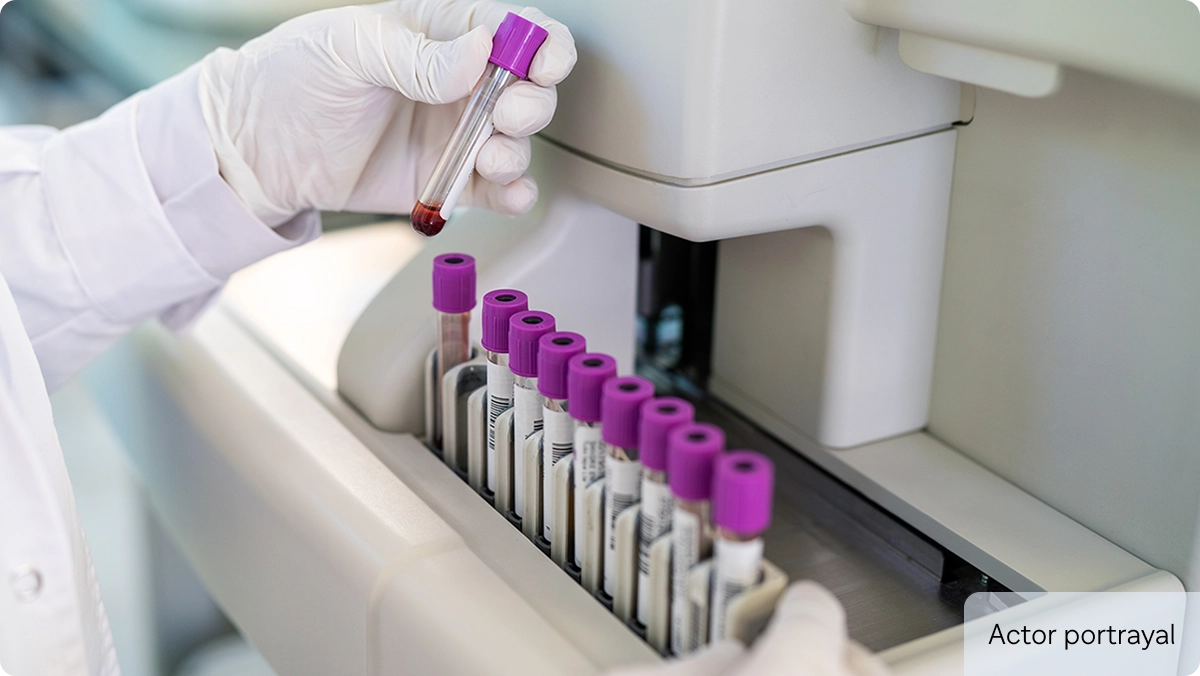
Testing and health monitoring with Gaucher disease
Your care team may want to check in regularly to monitor for changes in your health or measure how your condition is responding to disease management.
Assessments for Gaucher disease may include:
- Blood tests: Hemoglobin count, platelet count, and other blood markers
- Bone imaging: X-ray or bone density scans
- Clinical assessments: Cardiac monitoring; lung function test
- Health questionnaires: Surveys to assess quality of life and wellbeing
- Liver/spleen scan: MRI or CT scan to check for enlargement
- Physical exam: Comprehensive check-up of your general health
Tools like a schedule of assessments can help you and your care team keep track of your Gaucher disease monitoring over time. Your care team will help determine which tests you need and how often they should be done. Based on your test results, your care team can work together to make informed, timely treatment decisions for your personal medical needs.1
Learn about managing your disease
Enrolling in CareConnect gives you access to important educational programs, led by experts in the field. You can attend them virtually or in person.
Patient education programs
All About Bone Imaging in Gaucher Disease: Join us for an interactive presentation on bone health and imaging in Gaucher disease lead by an expert radiologist.
Owning Your Care: Living Empowered with a Rare Condition: Connect with a supportive rare disease community, gain health care expert insights, and explore topics like how to live empowered with a rare condition, how to create true partnerships with your care team, and learn from one another’s experiences.
Talk to your PEL (Patient Education Liaison) to find or sign up for education opportunities or learn more about the CareConnect services and team.
Support and resources available for Gaucher disease management
If you want to understand what other support options are available for managing Gaucher disease, a Case Manager is available to speak with you Monday through Friday, 8AM-6PM EST.
Call 1-800-745-4447 (for English, press 3; para español, oprima 7) or email info@CareConnectPSS.com.

References
1 Stone WL, Basit H, Mukkamalla SKR, Master SR. Gaucher Disease. . 2025.
2 Giraldo P, Andrade-Campos M, Morales M. Recommendations on the follow-up of patients with Gaucher disease in Spain: Results from a Delphi survey. JIMD Rep. Jan 2023;64(1):90-103. doi:10.1002/jmd2.12342
3 Creating a Comprehensive Care Team for Gaucher Disease. National Gaucher Foundation. Accessed October 2, 2025. https://www.gaucherdisease.org/gaucher-diagnosis-treatment/treatment-team/.
4 Hughes DA, Pastores GM. Gaucher Disease. In: Adam MP, Feldman J, Mirzaa GM, Pagon RA, Wallace SE, Amemiya A, eds. GeneReviews® [Internet]. University of Washington, Seattle; 1993-2025.
5 Stirnemann J, Belmatoug N, Camou F, et al. A Review of Gaucher Disease Pathophysiology, Clinical Presentation and Treatments. Int J Mol Sci. Feb 17 2017;18(2). doi:10.3390/ijms18020441
6 Hughes D, Mikosch P, Belmatoug N, et al. Gaucher Disease in Bone: From Pathophysiology to Practice. J Bone Miner Res. Jun 2019;34(6):996-1013. doi:10.1002/jbmr.3734
7 Chis BA, Chis AF, Dumitrascu DL. Gaucher disease - bone involvement. Med Pharm Rep. Aug 2021;94(Suppl No 1):S61-S63. doi:10.15386/mpr-2233
8 Mistry PK, Batista JL, Andersson HC, et al. Transformation in pretreatment manifestations of Gaucher disease type 1 during two decades of alglucerase/imiglucerase enzyme replacement therapy in the International Collaborative Gaucher Group (ICGG) Gaucher Registry. Am J Hematol. Sep 2017;92(9):929-939. doi:10.1002/ajh.24801
9 Understanding the Neurological Symptoms of Gaucher Disease. National Gaucher Foundation Blog. Accessed October 2, 2025. https://www.gaucherdisease.org/blog/neurological-symptoms-of-gaucher-disease/.
10 Collin-Histed T, Stoodley M, Beusterien K, et al. A global neuronopathic gaucher disease registry (GARDIAN): a patient-led initiative. Orphanet J Rare Dis. Jul 21 2023;18(1):195. doi:10.1186/s13023-023-02828-w
11 Packman W, Crosbie TW, Behnken M, Eudy K, Packman S. Living with Gaucher disease: Emotional health, psychosocial needs and concerns of individuals with Gaucher disease. Am J Med Genet A. Aug 2010;152A(8):2002-10. doi:10.1002/ajmg.a.33527
MAT-US-2511958-v1.0-12/2025